See How We're Different:
OR call us: (214) 667-2729
Every restaurant owner knows that running a successful operation means juggling countless challenges. From the sizzle of the grill to managing staff and keeping customers happy, risks lurk around every corner. But some threats can hit harder than others-kitchen fires, foodborne illnesses, or even cyberattacks can quickly spiral into costly disasters. Understanding these risks and preparing for them is essential to protect your business, reputation, and bottom line.
To put it in perspective, foodborne illnesses alone affect roughly 48 million Americans annually, leading to 128,000 hospitalizations and 3,000 deaths. That’s a staggering number that underscores why food safety should be a top priority for any restaurant operator. These risks demand more than just good cooking-they require a comprehensive approach to risk management.
Understanding the Most Pressing Risks in Restaurants
Food Safety and Staff Turnover
Food safety is a complex challenge, especially when you factor in high staff turnover. A recent survey found that 66% of restaurant operators see staff turnover as the biggest threat to food safety and brand reputation. When new employees come and go frequently, maintaining consistent training and standards becomes difficult, increasing the chance of mistakes that could lead to contamination or illness.
Keeping your team well-trained and motivated is more than a human resources issue-it’s a frontline defense against costly foodborne outbreaks. With millions affected each year, the stakes couldn’t be higher. Establishing a mentorship program where experienced staff guide newcomers can foster a culture of safety and accountability. Regular refresher courses and hands-on training sessions can also help reinforce the importance of hygiene practices, ensuring that all team members are aligned with the restaurant's standards. Moreover, utilizing technology, such as mobile apps for training and reminders, can streamline the process and make it more engaging for the staff.
Kitchen Fires and Physical Hazards
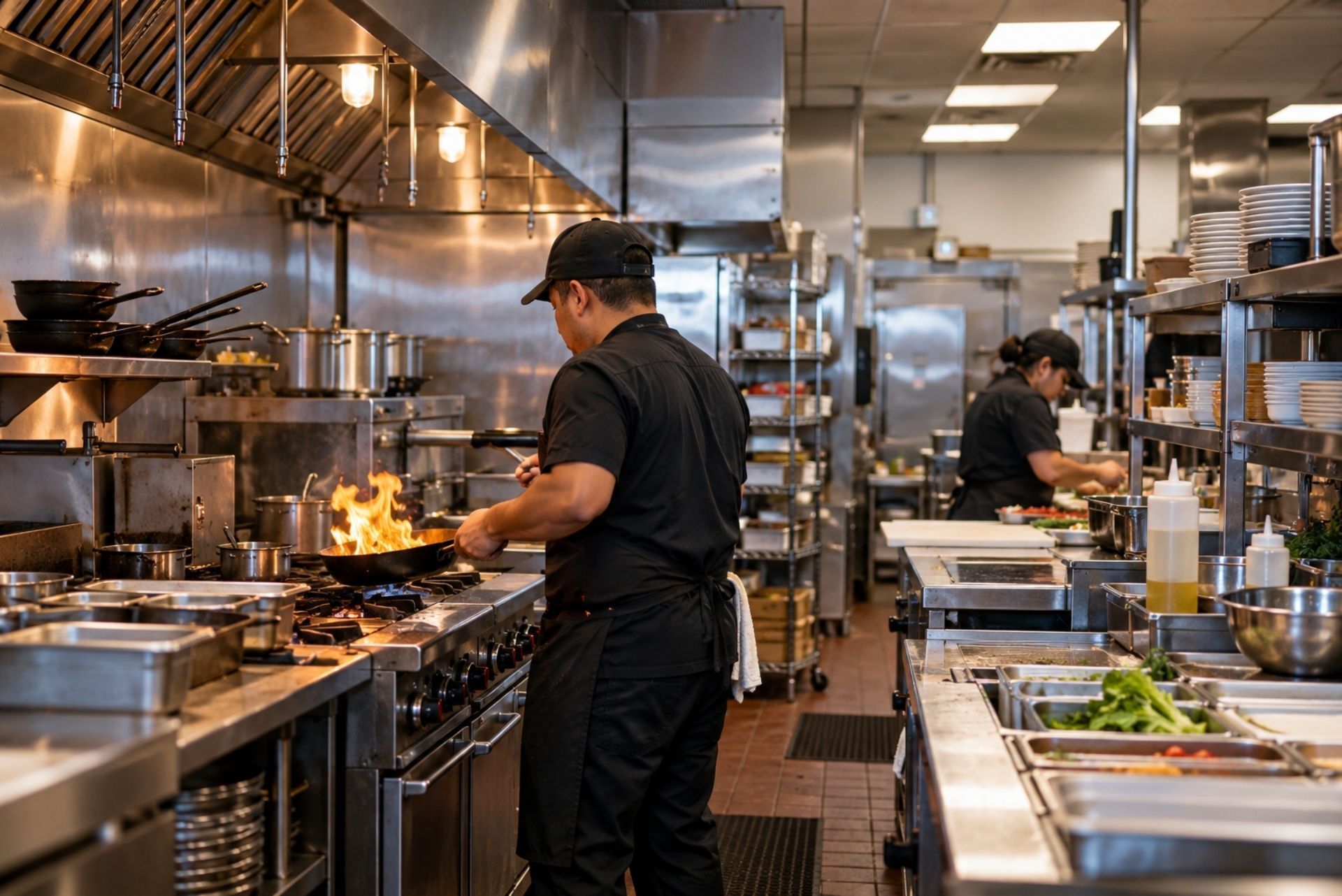
Kitchen fires remain a persistent danger. The combination of open flames, hot oil, and electrical equipment creates a volatile environment. A single fire can shut down operations for days or weeks, cause injury, and lead to expensive insurance claims.
Implementing strict safety protocols, regular equipment maintenance, and employee fire safety training can reduce these risks significantly. Many insurance providers now emphasize these measures in their underwriting process, rewarding operators who take proactive steps. Additionally, investing in advanced fire suppression systems and conducting routine safety drills can prepare staff for emergencies, ensuring they know how to react swiftly and effectively. Regularly reviewing and updating safety plans in response to new equipment or changes in kitchen layout can also help mitigate risks, creating a safer environment for both employees and patrons.
Cybersecurity Threats on the Rise
Technology is transforming restaurants, but it also opens new vulnerabilities. The hospitality industry saw the average cost of a data breach rise to $3.36 million in 2023, up from $2.94 million the year before. Cyberattacks can target customer payment data, reservation systems, or even ghost kitchens-virtual-only restaurants that are expected to represent 21% of the U.S. restaurant market by 2025.
These virtual models require tailored insurance and cybersecurity strategies because their operational risks differ from traditional restaurants. Protecting digital assets and customer information is now as critical as food safety. Restaurants must adopt a multi-layered security approach, including firewalls, encryption, and regular security audits, to safeguard sensitive information. Employee training on phishing scams and safe internet practices is equally vital, as human error is often the weakest link in cybersecurity. Furthermore, collaborating with cybersecurity experts to develop a robust incident response plan can prepare restaurants to act swiftly in the event of a breach, minimizing potential damage and restoring customer trust.
Cybersecurity costs in hospitality highlight the need for comprehensive coverage and robust IT defenses.
Building a Safety-First Culture to Reduce Risks
Training and Retention to Protect Food Safety
High turnover can undermine food safety, but investing in your team pays dividends. Structured onboarding, ongoing training, and clear accountability create a culture where safety is everyone’s responsibility. Formal cost allocation systems, as noted in Marsh’s 2024 report, can also help by tying safety investments directly to risk reduction and cost savings.
When employees understand the impact of their actions on customer health and the business’s reputation, they’re more likely to follow protocols meticulously. This approach not only reduces foodborne illness risks but also improves overall operational efficiency. Furthermore, fostering an environment where team members feel valued and engaged can significantly enhance job satisfaction, leading to lower turnover rates. Regular team-building activities and recognition programs can reinforce the importance of food safety while also promoting camaraderie among staff, which ultimately translates into a more cohesive and vigilant workforce.
Regular Safety Audits and Equipment Checks
Routine inspections of kitchen equipment, fire suppression systems, and storage areas catch hazards before they escalate. These audits should be documented and integrated into daily workflows. Operators who adopt formal safety systems see fewer incidents and lower insurance premiums. Additionally, involving employees in the audit process can empower them to take ownership of safety practices, as they become more aware of potential risks and the importance of maintaining equipment properly.
Safety isn’t a one-time fix; it’s a continuous commitment that pays off in fewer disruptions and claims. Establishing a feedback loop where staff can report safety concerns or suggest improvements can further enhance this culture of safety. By actively engaging employees in the safety conversation, businesses can identify blind spots and implement proactive measures, ensuring that safety protocols evolve alongside operational practices.
Leveraging Technology for Safety and Efficiency
Digital tools can streamline safety checks, automate temperature monitoring, and track compliance. Restaurants that embraced digital ordering and delivery platforms during the COVID-19 pandemic had better survival rates, especially those facing larger demand shocks. This resilience is partly due to technology enabling better operational control and customer engagement. Moreover, integrating software solutions that provide real-time data analytics can help management make informed decisions regarding inventory and safety practices, ultimately leading to a more efficient operation.
Research on pandemic resilience highlights how digital channels support long-term business health. The use of mobile apps for employee training and compliance tracking can also ensure that staff are always updated on the latest safety protocols. By utilizing technology not just for efficiency but also for education, businesses can cultivate a knowledgeable workforce that prioritizes safety in every aspect of their operations.
Insurance Strategies for a Changing Restaurant Landscape
Tailoring Coverage for Ghost Kitchens and Virtual Models
Ghost kitchens operate without storefronts, relying entirely on delivery. This model reduces some traditional risks but introduces others, such as dependency on third-party platforms and cyber vulnerabilities. Insurance policies must adapt to cover these unique exposures, including property, liability, and cyber risks. As the demand for food delivery continues to surge, operators must also consider the implications of fluctuating delivery volumes and the potential for increased liability claims stemming from customer dissatisfaction or food safety issues.
Understanding these nuances helps operators avoid gaps in coverage that could be costly after a loss. Additionally, the lack of a physical presence means that ghost kitchens must invest in robust operational protocols to ensure food quality and safety during transit. This can include specialized packaging solutions and partnerships with reliable delivery services. By proactively addressing these challenges, operators can not only enhance their insurance coverage but also build a reputation for reliability and quality in a competitive market.
Managing Loss Costs with Formal Allocation Systems
Marsh’s latest report shows that restaurants using formal cost allocation systems can better manage losses and improve safety. These systems assign costs to specific operations or departments, making it easier to identify risk drivers and prioritize mitigation efforts. By implementing these systems, restaurants can track expenses related to incidents such as equipment failures or employee injuries, allowing for more informed decision-making regarding safety investments and operational changes.
By linking financial outcomes to safety practices, operators gain clearer insight into where to focus resources for maximum impact. Furthermore, fostering a culture of accountability among staff can enhance compliance with safety protocols, leading to fewer incidents and lower insurance premiums. As restaurants navigate the complexities of a post-pandemic world, the ability to adapt and refine these systems will be crucial in maintaining profitability and operational resilience.
Protecting Against Cyber Threats
Cyber insurance is no longer optional. With data breaches costing millions, restaurants must secure coverage that includes breach response, legal fees, and customer notification costs. Combining insurance with strong IT security measures creates a layered defense. This includes not only securing payment processing systems but also implementing comprehensive data management practices to protect customer information and sensitive business data.
Regular vulnerability assessments and staff training on phishing and password hygiene reduce the chance of successful attacks. Additionally, establishing a clear incident response plan ensures that restaurants can act swiftly in the event of a breach, minimizing damage and restoring customer trust. As technology continues to evolve, staying ahead of potential cyber threats will be essential for safeguarding both business operations and customer relationships in the restaurant industry.
Leadership and Decision-Making Impact on Risk
CEO Overconfidence and Its Double-Edged Sword
A study on restaurant CEOs found that overconfidence can drive growth but hurt profitability. Leaders who overestimate their control may take risks that expose the business to losses or operational inefficiencies. This phenomenon is not limited to the restaurant industry; it can be observed across various sectors where charismatic leaders often push boundaries in pursuit of ambitious goals. For instance, tech startups frequently showcase founders whose unwavering belief in their vision leads to groundbreaking innovations, yet this same confidence can result in neglecting crucial market research or financial prudence.
Balancing ambition with cautious risk management is key. Boards and investors should monitor leadership traits and encourage data-driven decisions to safeguard the company’s future. By fostering a culture that values humility and critical thinking, organizations can mitigate the adverse effects of overconfidence. Implementing structured feedback mechanisms and encouraging diverse perspectives in decision-making can help leaders remain grounded and make more informed choices that align with long-term sustainability.
This research sheds light on the importance of leadership awareness in risk resilience.
Embedding Risk Awareness in Management Practices
Risk resilience starts at the top but must permeate all levels. Regular risk assessments, transparent communication, and empowering employees to report hazards create an environment where problems are caught early. Organizations that integrate risk management into their everyday practices not only enhance their operational efficiency but also cultivate a culture of accountability and trust. Employees who feel empowered to voice concerns are more likely to contribute to innovative solutions, ultimately leading to a more robust organizational framework.
Leaders who prioritize safety and security build stronger, more adaptable businesses. This proactive approach not only safeguards the organization against potential threats but also enhances its reputation among stakeholders. Companies known for their risk-aware culture often attract top talent, as employees are increasingly seeking workplaces that value their well-being and input. Furthermore, a strong emphasis on risk management can lead to improved customer confidence, as clients are more likely to engage with businesses that demonstrate a commitment to ethical practices and operational integrity.
Wrapping Things Up: Key Steps to Strengthen Your Restaurant’s Risk Resilience
Building a risk-resilient restaurant means tackling a broad spectrum of threats—from kitchen fires and foodborne illnesses to cyberattacks and leadership blind spots. Prioritizing food safety through training and retention, adopting formal safety and cost allocation systems, and securing tailored insurance coverage are foundational steps. Regular audits and drills can also help ensure that staff are well-prepared to handle emergencies, reinforcing a culture of safety that extends beyond compliance to genuine care for the well-being of both employees and patrons.
Embracing technology not only improves operational efficiency but also enhances resilience, especially in an era where digital presence can make or break survival. From point-of-sale systems that track inventory in real-time to customer relationship management tools that help maintain engagement, the right technology can streamline operations and provide valuable insights. Additionally, investing in cybersecurity measures is crucial; as restaurants increasingly rely on digital solutions, safeguarding sensitive customer data and payment information becomes paramount to maintaining trust and credibility.
Restaurants operate in a high-stakes environment where risks can quickly turn into crises. But with a thoughtful, proactive approach, operators can protect their teams, customers, and bottom line—ensuring their kitchens stay open and thriving for years to come. Furthermore, fostering a culture of open communication within the team can enhance resilience. Encouraging staff to voice concerns or suggest improvements can lead to innovative solutions and a more engaged workforce, ultimately translating into better service and a more robust response to challenges. By continuously evaluating and adapting their risk management strategies, restaurant owners can not only survive but also thrive in an ever-evolving landscape.
Frequently Asked Questions
Q: How can I reduce food safety risks with high staff turnover?
A: Focus on structured training programs, clear protocols, and regular refreshers. Investing in employee retention also helps maintain consistent standards.
Q: What types of insurance should a ghost kitchen consider?
A: Ghost kitchens need property, general liability, and cyber insurance tailored to their delivery-only model and digital operations.
Q: How often should kitchen safety audits be conducted?
A: Ideally, daily checks for critical equipment and monthly comprehensive audits help catch hazards early.
Q: What are the main cyber risks for restaurants?
A: Data breaches involving customer payment information, ransomware attacks, and vulnerabilities in online ordering systems are common threats.
Q: Can leadership style impact restaurant risk management?
A: Yes. Overconfident leaders may take excessive risks, so balancing ambition with careful oversight improves resilience.
Q: How does technology improve restaurant risk resilience?
A: Digital tools help monitor safety compliance, manage orders efficiently, and support customer engagement, all of which contribute to business stability.
Q: Why is formal cost allocation important for restaurants?
A: It links expenses to specific operations, making it easier to identify risk areas and invest in targeted safety measures.
About The Author:
Dustin Hulett
As Owner of Cuisine Coverage powered by Hulett Insurance, I specialize in protecting restaurants, bars, and hospitality businesses with smart, reliable insurance solutions. With years of experience serving the food and beverage industry, my goal is to make coverage simple, transparent, and built around the unique risks that owners face every day.
Contact Us