See How We're Different:
OR call us: (214) 667-2729
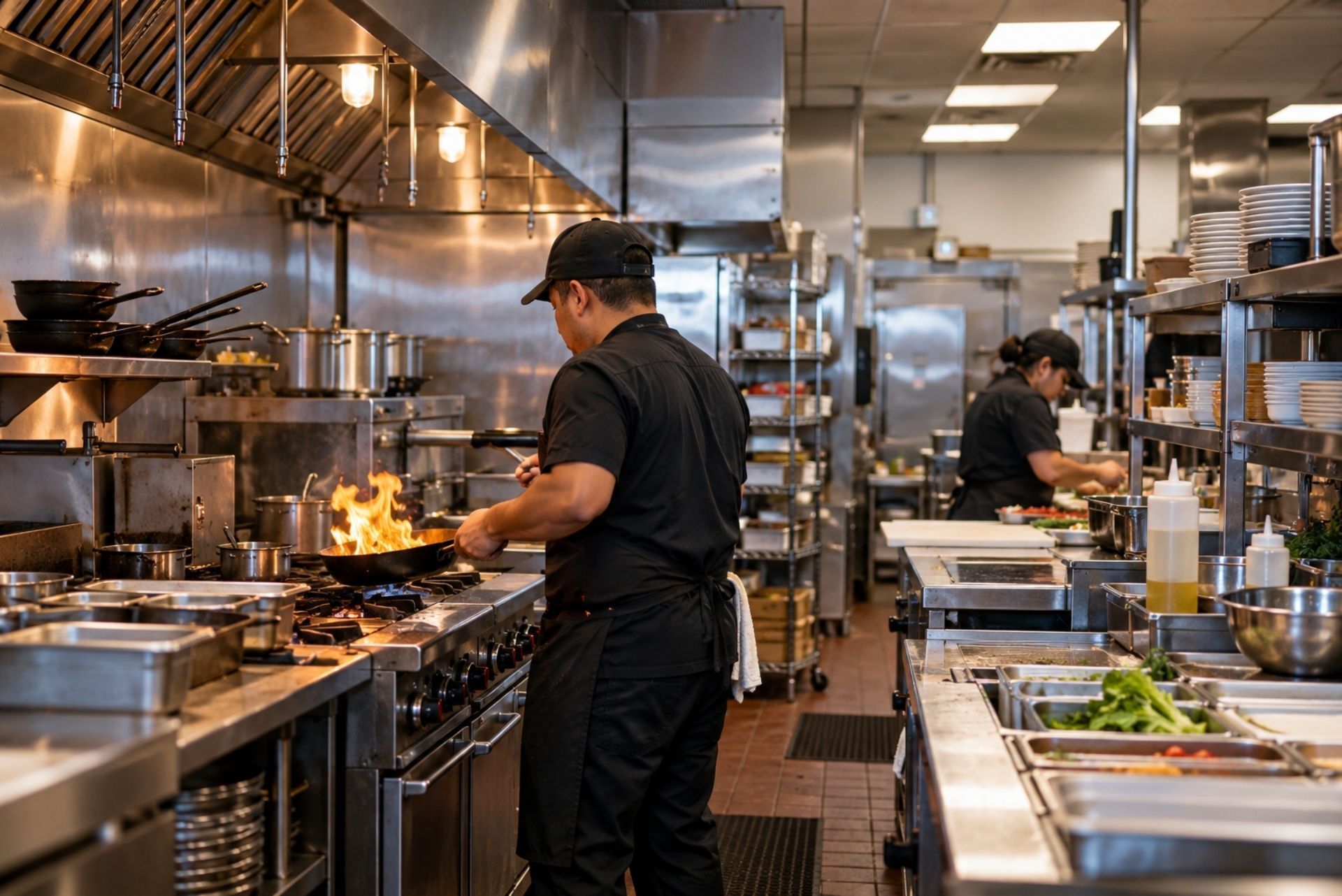
Restaurant kitchens are fast-paced environments where the risk of injury is a constant concern. From sharp knives to hot surfaces, the potential for accidents is high. In fact, full-service restaurants reported nearly 94,000 nonfatal injuries and illnesses in 2019 alone, with many requiring time off work. Training your staff effectively is not just about compliance-it’s about creating a safer workplace that protects employees and reduces costly claims. This article breaks down practical strategies to help you train your team to avoid the most common restaurant accidents.
Understanding the Most Frequent Injuries in Restaurants
Before diving into training methods, it’s important to know which injuries happen most often. Cuts, burns, slips, and back injuries top the list for restaurant workers. For example, in 2019, there were over 8,000 cases of cuts and lacerations in full-service restaurants that led to days away from work. These injuries don’t just disrupt operations—they also drive up workers’ compensation costs. The financial implications are significant, as each injury not only affects the individual worker but also the overall productivity and morale of the team. Furthermore, the cost of hiring temporary staff to cover for injured employees can strain a restaurant's budget, making injury prevention a critical focus for management.
A study from Shiraz City highlights that 84% of restaurant workers reported work-related injuries, with cuts (67.7%), thermal burns (63.7%), and falls/slips (33.7%) being the leading causes. These numbers are a clear indicator of where training efforts should focus. Additionally, back injuries have become increasingly common, partly due to repetitive lifting and straining motions that restaurant staff endure daily. Matt Zender, a senior vice president at AmTrust, notes that restaurant workers are part of the “delivery economy” when it comes to physical strain, making ergonomic training essential. This training can include proper lifting techniques, the use of assistive devices, and strategies for maintaining good posture during long shifts, which can significantly reduce the risk of injury.
Understanding these risks helps frame your training program around real hazards your staff face every day. For more insight into injury statistics, the Bureau of Labor Statistics report on restaurant injuries is a valuable resource. Moreover, implementing a culture of safety within the restaurant can empower employees to report hazards and near misses, fostering an environment where safety is prioritized. Regular safety meetings and open discussions about injury prevention can also encourage staff to take an active role in their own safety and the safety of their coworkers, ultimately leading to a more resilient and efficient workplace.
Implementing Effective Safety Training Programs
Training that sticks requires more than handing out manuals or running a one-time session. It needs to be ongoing, practical, and tailored to your restaurant’s specific risks. Start by identifying the most common accidents in your kitchen and dining areas, then focus training on those points.
Hands-On Demonstrations and Role-Playing
Demonstrations are powerful. Show your staff the correct way to handle knives, operate kitchen equipment, and lift heavy items safely. Role-playing scenarios, such as responding to spills or handling hot liquids, reinforce learning and prepare employees to react calmly in real situations.
Matt Zender emphasizes the importance of good ergonomic practices, noting that training employees on how to lift and set down objects properly can prevent many costly injuries. This means teaching techniques like bending at the knees, keeping loads close to the body, and avoiding twisting motions. Additionally, incorporating visual aids, such as posters or instructional videos, can help reinforce these techniques, making it easier for staff to recall them during high-pressure situations.
Regular Refresher Courses
Safety training isn’t a “set it and forget it” task. Regular refreshers keep safety top of mind and adapt to any changes in your restaurant’s workflow or equipment. These sessions can be brief but should revisit key points like proper knife handling, burn prevention, and slip avoidance.
Using real injury data from your own restaurant or industry reports can help illustrate the importance of these practices. The AmTrust Restaurant Risk Report provides a detailed look at common injuries and their costs, which can be motivating for staff to take safety seriously. Furthermore, consider inviting guest speakers, such as safety experts or representatives from your insurance provider, to share insights and real-world examples that can resonate with your team. This not only adds credibility to your training but also fosters a culture of safety where employees feel valued and informed.
Focus Areas for Training to Reduce Specific Risks
Preventing Cuts and Lacerations
Knife injuries are among the most frequent and costly in restaurants. Training should cover:
- Proper knife handling and storage
- Using cut-resistant gloves when appropriate
- Safe techniques for chopping and slicing
- Immediate response steps if a cut occurs
Encourage a culture where employees report hazards like dull knives or damaged cutting boards promptly. The BLS data on cuts and lacerations shows how common these injuries are, reinforcing why prevention matters. Additionally, incorporating hands-on training sessions can help reinforce proper techniques. For instance, staff can practice knife skills under supervision, allowing for immediate feedback and correction of unsafe practices. Regularly scheduled knife safety refreshers can also keep the importance of these practices at the forefront of employees' minds.
Burn and Scald Injury Prevention
Thermal burns and scalds account for a significant portion of restaurant injuries. Training should emphasize:
- Safe handling of hot equipment and liquids
- Using protective gear such as oven mitts
- Clear communication when moving hot items through busy areas
- Proper maintenance of kitchen appliances to prevent malfunctions
According to a study in Shiraz City, thermal burns affected nearly two-thirds of restaurant workers who reported injuries. This highlights the need for targeted training on burn prevention and first aid. Furthermore, creating a buddy system where employees work in pairs when handling particularly hot items can enhance safety. Regular checks on equipment, such as ensuring that fryers and ovens are functioning correctly, can also mitigate risks. Encouraging staff to share their experiences with burns can foster a supportive environment where everyone is more vigilant about safety.
Reducing Slips, Trips, and Falls
Wet floors, cluttered walkways, and uneven surfaces are common causes of slips and falls. Training should focus on:
- Prompt spill cleanup procedures
- Proper footwear requirements
- Maintaining clear, well-lit pathways
- Using signage to warn about wet floors or hazards
Slips and falls accounted for over 30% of reported injuries in some restaurant studies, making this an area where vigilance pays off. Cultivating awareness among staff helps reduce these incidents. Additionally, implementing a routine inspection schedule for the dining and kitchen areas can help identify potential hazards before they result in accidents. Engaging employees in safety audits can also empower them to take ownership of their environment, making them more likely to adhere to safety protocols.
Addressing Back Injuries Through Ergonomics
Back injuries are often overlooked but can be the most expensive to treat. They result from repetitive lifting, bending, and poor posture. Training should include:
- Ergonomic lifting techniques
- Use of carts or other aids to move heavy items
- Encouraging micro-breaks to reduce strain
- Adjusting workstation heights to reduce bending
Matt Zender points out that restaurant workers share risks similar to delivery workers, facing frequent lifting and straining. Proper ergonomic training can significantly reduce these costly injuries. For a comprehensive look at injury costs and prevention, see the insurance industry analysis. Additionally, incorporating stretching exercises into daily routines can improve flexibility and reduce the risk of injury. Encouraging staff to take short breaks to stretch can help alleviate tension and promote a healthier workplace environment. Regular ergonomic assessments can also ensure that workstations are optimized for comfort and safety, further reducing the likelihood of back injuries.
Creating a Safety Culture Beyond Training
Training is just one piece of the puzzle. A true safety culture encourages employees to look out for each other and speak up about hazards without fear. Here are a few ways to build that environment:
Encourage Open Communication
Make it clear that reporting unsafe conditions or near misses is welcomed and rewarded. This helps catch problems before they cause injuries. Establishing anonymous reporting channels can further empower employees to voice their concerns without hesitation. Regularly scheduled safety meetings can also serve as a platform where team members can share experiences and discuss potential hazards, fostering a sense of community and shared responsibility.
Lead by Example
Managers and supervisors should consistently follow safety protocols. When leadership models safe behavior, employees are more likely to follow suit. It's essential for leaders to not only adhere to safety measures but also to actively participate in safety drills and training sessions. By doing so, they demonstrate their commitment to safety, reinforcing its importance within the organization. This visible commitment can significantly enhance morale and motivate employees to prioritize safety in their daily tasks.
Regular Safety Audits
Conduct walk-throughs to identify risks and ensure compliance with safety standards. Use findings to update training and procedures. In addition to routine audits, consider involving employees in the audit process. Their firsthand knowledge of the work environment can provide valuable insights into potential hazards that may not be immediately apparent to management. Engaging employees in this way not only helps identify risks but also empowers them to take ownership of their safety and the safety of their colleagues.
Address Workplace Violence Risks
Workplace violence is a growing concern in hospitality. Nearly half of hospitality worker fatalities in 2023 were due to violence on the job. Training should include de-escalation techniques and emergency response plans to protect staff in these situations. More details on handling workplace dangers can be found in this hospitality safety guide. Additionally, implementing a buddy system can enhance safety, allowing employees to look out for one another during high-risk situations. Establishing clear protocols for reporting incidents and providing support resources, such as counseling services, can also help employees feel secure and valued in their workplace, ultimately contributing to a more robust safety culture.
Measuring Training Effectiveness and Continuous Improvement
Training programs should be dynamic. Track injury rates and workers’ compensation claims to see if your efforts are paying off. Solicit feedback from staff on training clarity and relevance. If injuries persist in certain areas, revisit those topics with fresh approaches. It’s essential to create a culture where employees feel comfortable sharing their experiences and suggestions. Regularly scheduled feedback sessions can help identify gaps in knowledge and areas where additional training may be necessary. This not only empowers employees but also fosters a sense of ownership over their safety and well-being.
Consider using quizzes, practical tests, or peer evaluations to reinforce learning. The goal is to keep safety top of mind and continuously adapt to new challenges in your restaurant. Incorporating real-life scenarios into training can enhance engagement and retention. For instance, role-playing exercises can simulate high-pressure situations, allowing staff to practice their responses in a controlled environment. Additionally, leveraging technology, such as mobile apps or online platforms, can provide on-demand training resources, making it easier for employees to refresh their knowledge whenever needed. By embracing innovative training methods, you can ensure that your team remains well-prepared and informed, ultimately leading to a safer and more efficient workplace.
Summary Table: Common Restaurant Injuries and Prevention Strategies
| NumbInjury Type er | Common Causes | Key Prevention Training |
|---|---|---|
| Cuts and Lacerations | Knife handling, sharp tools, broken glass | Proper knife use, cut-resistant gloves, hazard reporting |
| Burns and Scalds | Hot surfaces, boiling liquids, ovens | Protective gear, safe handling, communication |
| Slips, Trips, and Falls | Wet floors, clutter, poor lighting | Spill cleanup, footwear policies, signage |
| Back Injuries | Heavy lifting, repetitive motions, poor ergonomics | Ergonomic lifting, use of aids, workstation setup |
| Workplace Violence | Customer conflicts, robberies, assaults | De-escalation training, emergency plans, communication |
Frequently Asked Questions
Q: How often should restaurant safety training be conducted?
A: Initial training should happen at hire, with refreshers at least annually or whenever new equipment or procedures are introduced.
Q: What is the most common injury in restaurants?
A: Cuts and lacerations are the most frequent, followed closely by burns and slips.
Q: How can I reduce back injuries among my staff?
A: Teach proper lifting techniques, provide lifting aids, and encourage ergonomic workstations.
Q: What role does management play in accident prevention?
A: Leadership sets the tone by modeling safe behavior, enforcing policies, and encouraging open communication.
Q: Are workplace violence incidents common in restaurants?
A: Unfortunately, yes. Nearly half of hospitality worker fatalities in 2023 were due to workplace violence, so training on prevention and response is critical.
Q: Can safety training really reduce workers’ compensation claims?
A: Yes. Effective training lowers injury rates, which directly reduces claims and associated costs.
Training your staff to prevent common restaurant accidents is an investment that pays off in safer workplaces, happier employees, and lower costs. By focusing on the most frequent injuries and creating a culture of safety, you can keep your restaurant running smoothly and your team protected.
About The Author:
Dustin Hulett
As Owner of Cuisine Coverage powered by Hulett Insurance, I specialize in protecting restaurants, bars, and hospitality businesses with smart, reliable insurance solutions. With years of experience serving the food and beverage industry, my goal is to make coverage simple, transparent, and built around the unique risks that owners face every day.
Contact Us