See How We're Different:
OR call us: (214) 667-2729
Running a restaurant today means juggling more than just food quality and customer service. Safety has become a cornerstone of successful operations, especially as the industry rebounds strongly with record sales and a growing workforce. With U.S. restaurant closures down by 82% since 2018 and the industry poised to hit $1.5 trillion in sales by the end of 2025, maintaining a safe environment is crucial for sustaining growth and employee satisfaction. This checklist covers everything from health protocols to staff training, designed to keep your restaurant compliant, efficient, and welcoming.
Health and Safety Protocols: The Foundation of Restaurant Safety
Health and safety remain the top priorities in restaurant management. In 2025, 59% of restaurant employees reported that training on health and safety protocols boosted their confidence at work. This confidence translates into better compliance and fewer incidents on the floor. Ensuring your team is well-versed in these protocols is the first step toward a safer restaurant environment.
However, there is still room for improvement. Over half of food service employees felt unprepared for new food safety regulations due to insufficient training. This gap can lead to costly violations and risks to public health. Implementing comprehensive, ongoing training programs tailored to the latest regulations is essential. Regularly updating training materials to reflect changes in local health codes and industry standards can empower staff to feel more competent and capable in their roles. Furthermore, fostering a culture of safety where employees feel comfortable voicing concerns or asking questions can significantly enhance overall compliance.
Regular sanitation schedules, proper food handling, and clear communication about allergen management should be non-negotiable. Consider integrating digital checklists or apps that remind staff of daily safety tasks to reduce human error. Additionally, conducting routine safety audits can help identify potential hazards before they become significant issues. Engaging employees in these audits not only reinforces their training but also encourages ownership of their workspace. By making health and safety a shared responsibility, restaurants can cultivate a proactive approach to maintaining a safe environment.
For more insight into how training impacts safety confidence, see the ZipDo Education Reports.
Employee Training and Development: Building a Skilled and Committed Team
Training goes beyond safety rules. The restaurant industry is increasingly recognizing the value of upskilling and reskilling employees. In 2025, 33% of restaurants adopted gamified training modules to boost employee engagement. These interactive methods make learning more enjoyable and effective, which helps retain staff and improve performance. By integrating elements such as quizzes, rewards, and competition, gamified training not only enhances knowledge retention but also fosters a sense of camaraderie among employees. This approach encourages teamwork and collaboration, vital components in a fast-paced restaurant environment where every member plays a crucial role in delivering exceptional service.
Leadership development is another critical area. Nearly half of restaurant chains increased investment in leadership training last year, reflecting a growing awareness that strong management can address labor shortages and improve workplace culture. In fact, 67% of managers believe reskilling helps manage staffing challenges. Effective leadership training equips managers with essential skills such as conflict resolution, effective communication, and team motivation. This not only empowers them to lead their teams more effectively but also creates a positive work atmosphere that can significantly reduce turnover rates. As managers become more adept at recognizing and nurturing talent, they can better align individual employee goals with the broader objectives of the restaurant, fostering a culture of growth and loyalty.
Career development opportunities are a powerful retention tool. About 71% of food service employees say these opportunities influence their decision to stay with an employer. Offering clear paths for advancement, including supervisory and leadership training, meets this demand and strengthens your workforce. Additionally, mentorship programs can play a pivotal role in this process. By pairing less experienced employees with seasoned professionals, restaurants can create a supportive environment where knowledge and skills are shared, enhancing both personal and professional growth. This not only benefits the mentees but also instills a sense of pride and accomplishment in mentors, further solidifying their commitment to the organization.
Explore more on how training shapes employee retention and satisfaction at ZipDo Education Reports.
Operational Safety: Managing Risks in the Kitchen and Dining Area
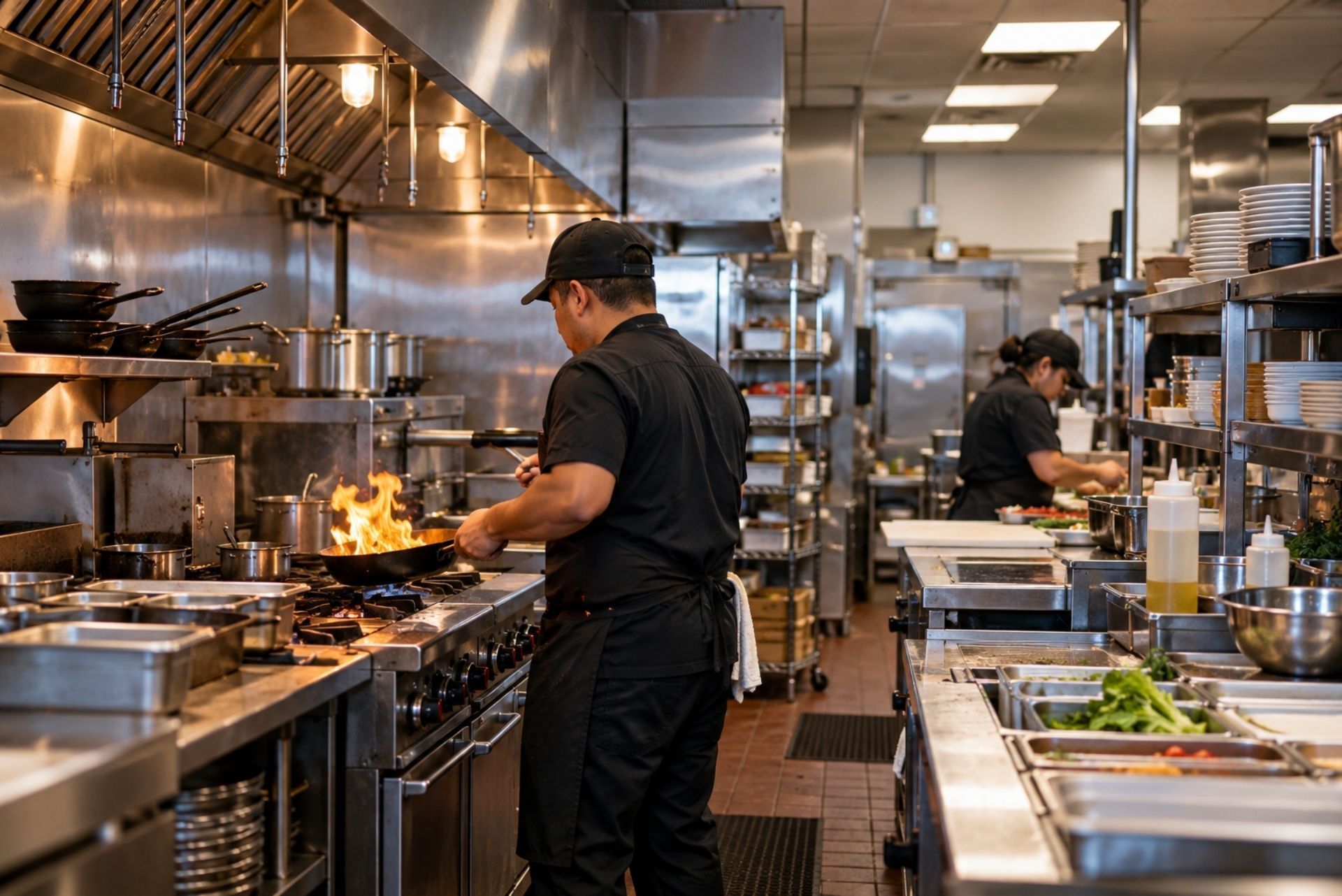
Operational safety covers everything from kitchen hazards to customer areas. Slips, trips, and burns are common risks that can be minimized with proper equipment and protocols. Ensuring that floors are clean and dry, fire extinguishers are accessible, and staff use protective gear reduces the chance of accidents. Additionally, implementing non-slip mats in high-traffic areas can significantly decrease the likelihood of slips, while regular maintenance checks on equipment can prevent malfunctions that lead to injuries.
Given that 9 in 10 restaurants have fewer than 50 employees, many rely on small, tight-knit teams where multitasking is common. This makes clear role definitions and safety responsibilities even more important to avoid confusion and oversight. Training sessions should be held regularly to reinforce safety protocols and to familiarize staff with new equipment or procedures. Encouraging open communication about safety concerns can also foster a culture of vigilance, where employees feel empowered to speak up about potential hazards.
Emergency preparedness should be part of your safety checklist. Regular drills and clear evacuation plans help staff respond calmly and effectively in case of fire or other emergencies. Post clear signage and ensure all employees know their roles during such events. Furthermore, it is essential to keep first aid kits stocked and accessible, and to train staff in basic first aid and CPR. This not only prepares them for emergencies but also instills confidence in their ability to handle unexpected situations.
For a detailed look at industry size and employment trends, visit the National Restaurant Association.
Moreover, the psychological aspect of safety cannot be overlooked. A safe working environment contributes to employee morale and productivity. When staff feel secure, they are more likely to focus on their tasks and provide excellent service to customers. Regular feedback sessions can help identify areas for improvement and reinforce the importance of safety in daily operations. By fostering a proactive approach to safety, restaurants can create a more efficient and enjoyable workplace for everyone involved.
Finally, consider the role of technology in enhancing operational safety. Many restaurants are now adopting smart kitchen equipment that comes with built-in safety features, such as automatic shut-off systems and temperature monitoring. These innovations not only help in minimizing risks but also streamline operations, allowing staff to focus on delivering quality service rather than constantly worrying about potential hazards. Embracing such advancements can lead to a safer, more efficient dining experience for both employees and patrons alike.
Customer Safety and Experience: Balancing Convenience and Protection
Customer safety extends beyond food quality to include the entire dining experience. In 2025, more than half of restaurant customers preferred ordering online over dining in. This shift requires restaurants to ensure that takeout and delivery processes meet safety standards, including secure packaging and contactless payment options. Additionally, the integration of technology, such as mobile apps that allow for real-time tracking of orders, enhances the customer experience by providing transparency and peace of mind. Customers can feel more secure knowing exactly when their food will arrive, which is crucial in an era where convenience is paramount.
Online reviews heavily influence customer choices, with over 50% of diners selecting restaurants based on feedback they read. Maintaining a reputation for cleanliness and safety can be a significant competitive advantage. Displaying your safety certifications and visibly following protocols reassures guests. Moreover, engaging with customers through social media platforms to highlight safety measures and positive reviews can further enhance trust. By sharing behind-the-scenes content that showcases staff training and cleaning procedures, restaurants can foster a sense of community and transparency that resonates with health-conscious diners.
Menu adaptations also play a role in customer satisfaction and safety. Vegetarian and vegan menus have increased by over 30% in the last five years, reflecting changing dietary preferences and allergen concerns. Offering diverse, clearly labeled options helps prevent allergic reactions and caters to broader audiences. Furthermore, the rise of gluten-free and keto-friendly dishes indicates a growing awareness of dietary restrictions, prompting restaurants to innovate and expand their offerings. Collaborating with nutritionists to create balanced meals can also enhance the appeal of menus, ensuring that customers feel both safe and satisfied with their dining choices.
Learn more about customer trends and preferences at ZipDo Education Reports.
Technology and Innovation: Tools to Enhance Safety and Efficiency
Technology is transforming restaurant safety. From digital training platforms to automated inventory management, innovations help reduce human error and streamline operations. Gamified training modules, for example, have been adopted by a third of restaurants to engage employees more effectively. These interactive training sessions not only make learning enjoyable but also enhance retention rates, ensuring that staff are well-versed in safety protocols and emergency procedures. As a result, employees feel more confident in their roles, which translates to a safer environment for both staff and customers.
Online ordering systems not only meet customer demand but also limit physical contact, reducing health risks. Integrating these systems with kitchen display screens and inventory software ensures orders are accurate and ingredients are fresh. Moreover, many restaurants are now utilizing contactless payment options, further minimizing the risk of virus transmission. This shift towards technology-driven solutions not only enhances customer satisfaction but also allows for a more efficient workflow in the kitchen, as orders can be prioritized and managed in real-time.
Data analytics can track safety incidents and employee performance, guiding targeted improvements. By analyzing trends in safety reports and customer feedback, restaurants can identify potential hazards before they become serious issues. Investing in these tools can save money long-term by preventing accidents and improving compliance. Additionally, predictive analytics can forecast peak hours and customer preferences, enabling restaurants to adjust staffing and inventory accordingly, thus optimizing both safety and efficiency.
For a snapshot of how technology supports restaurant growth and safety, see the Datassential Sales Intelligence. As the industry continues to evolve, the integration of advanced technologies will remain crucial in navigating challenges and enhancing operational resilience.
Furthermore, the rise of artificial intelligence (AI) in restaurant management is paving the way for even greater advancements. AI-driven chatbots can handle customer inquiries and reservations, freeing up staff to focus on in-person interactions. Additionally, AI can analyze customer data to personalize marketing strategies, ensuring that promotions resonate with target audiences. This level of customization not only improves customer loyalty but also drives sales, proving that innovation is not just about safety—it's also about creating a memorable dining experience.
Leadership and Culture: Creating a Safety-First Mindset
Safety starts at the top. Leaders who prioritize safety set the tone for the entire team. In 2025, 8 in 10 restaurant owners and 9 in 10 managers began their careers in entry-level roles, giving them firsthand experience of frontline challenges. This background can foster empathy and practical safety leadership. By understanding the daily operations and potential hazards faced by their teams, these leaders can implement more effective safety protocols that resonate with employees at all levels.
Building a culture where employees feel comfortable reporting hazards or mistakes without fear of punishment encourages proactive safety management. Regular meetings, open communication, and recognition of safe behaviors reinforce this mindset. Furthermore, incorporating safety training into onboarding processes and ongoing professional development can empower staff to take ownership of their safety and that of their colleagues. This approach not only enhances compliance but also cultivates a sense of community and shared responsibility among team members.
Minority ownership and management are strong in the restaurant sector, with 41% of firms owned by minorities and the highest number of minority managers compared to other industries. Embracing diversity in leadership can bring fresh perspectives to safety practices and employee engagement. Diverse leadership teams are often more innovative, as they draw on a wider range of experiences and viewpoints. This can lead to the development of unique safety initiatives that cater to the specific needs of a diverse workforce, ultimately enhancing overall workplace safety and morale.
Moreover, the integration of technology in safety management is becoming increasingly vital. Many restaurants are now utilizing apps and digital platforms that allow employees to report safety concerns in real-time, making it easier for management to address issues promptly. This technological shift not only streamlines communication but also demonstrates a commitment to transparency and responsiveness in safety practices. As the industry continues to evolve, staying ahead of safety trends and leveraging new tools will be essential for leaders aiming to foster a culture of safety.
Discover more about industry demographics and leadership trends at the
National Restaurant Association.
Before You Go: Key Takeaways for Restaurant Safety in 2025
Keeping a restaurant safe requires a comprehensive approach. Prioritize health and safety training to boost employee confidence and compliance. Invest in leadership development and career growth opportunities to retain skilled staff. Maintain strict operational safety protocols and prepare for emergencies. Adapt to customer preferences with safe online ordering and diverse menu options. Leverage technology to reduce risks and improve efficiency. Finally, cultivate a safety-first culture led by experienced and empathetic managers.
These steps not only protect your team and guests but also contribute to the strong growth and resilience seen in the U.S. restaurant industry today.
Frequently Asked Questions
Q: How often should restaurant staff receive health and safety training?
A: Training should be ongoing, with formal sessions at least quarterly and refreshers whenever regulations change.
Q: What are the benefits of gamified training in restaurants?
A: Gamified training increases employee engagement, improves knowledge retention, and makes learning more enjoyable.
Q: How can restaurants prepare for emergencies effectively?
A: Regular drills, clear evacuation plans, and visible safety signage help staff respond calmly and correctly during emergencies.
Q: Why is leadership training important for restaurant managers?
A: It equips managers with skills to handle labor shortages, improve workplace culture, and enforce safety protocols effectively.
Q: What role does technology play in restaurant safety?
A: Technology streamlines training, order accuracy, inventory management, and safety monitoring, reducing human error.
Q: How does offering vegetarian and vegan menus relate to safety?
A: Clear labeling and diverse options help prevent allergic reactions and meet customer dietary needs safely.
About The Author:
Dustin Hulett
As Owner of Cuisine Coverage powered by Hulett Insurance, I specialize in protecting restaurants, bars, and hospitality businesses with smart, reliable insurance solutions. With years of experience serving the food and beverage industry, my goal is to make coverage simple, transparent, and built around the unique risks that owners face every day.
Contact Us