Arkansas Franchisee and Franchisor Restaurant INSURANCE
OR call us: (214) 667-2729
Arkansas has over 5,500 eating and drinking establishments
employing roughly 124,000 people, making the food service sector one of the state's most active industries. Whether you're a
franchisee opening your first location in Little Rock or a franchisor expanding your brand across Northwest Arkansas, the insurance decisions you make will shape your financial resilience for years. A single grease fire, a slip-and-fall lawsuit, or a tornado tearing through your dining room can wipe out months of profit overnight. This guide to
restaurant insurance coverage for Arkansas franchisees and franchisors breaks down the policies you need, the state-specific rules you must follow, and the relationship dynamics that make franchise insurance uniquely complex. Getting this right isn't just about compliance. It's about
protecting a business you've poured real money and effort into building.
Arkansas has its own set of insurance mandates that differ from neighboring states, and missing even one requirement can result in fines, lawsuits, or a forced shutdown. Before you sign a lease or finalize a franchise agreement, you need a clear picture of what the state demands.
Arkansas Workers' Compensation Compliance for Food Service
Arkansas restaurants must carry workers' compensation insurance once they have three or more employees. Given that most franchise locations employ well beyond that threshold, this is rarely optional. Workers' comp covers medical bills and lost wages when an employee is injured on the job, and restaurant kitchens are high-risk environments. Burns from fryers, cuts from prep work, and slips on wet floors are among the most common claims. Failing to carry this coverage exposes you to direct liability for medical costs and potential penalties from the Arkansas Workers' Compensation Commission.
Mandatory State Business Liability Minimums
Arkansas doesn't mandate
general liability insurance for all businesses by statute, but your franchise agreement almost certainly does. Most franchise systems require minimum general liability limits of
$1 million per occurrence and $2 million in aggregate. Your landlord will likely have separate requirements too, often demanding proof of coverage before handing over the keys. If you operate commercial vehicles, Arkansas requires minimum auto liability coverage of $25,000 per person and $50,000 per accident for bodily injury, plus $25,000 for property damage.

By: Dustin Hulett
Founder & CEO of Cuisine Coverage
Core Coverage for Franchisees and Franchisors
The foundation of any restaurant insurance program includes three pillars: liability, property, and business interruption. Skipping any one of these creates a gap that could cost you the entire operation.
General Liability and Product Liability Risks
General liability covers third-party bodily injury and property damage claims. A customer who slips on a freshly mopped floor or trips over a loose tile in your parking lot falls under this policy. Product liability, which is often bundled into your general liability policy or available as an endorsement, covers claims arising from food you serve. If a customer has a severe allergic reaction to undisclosed allergens in your franchise's signature sauce, product liability responds. Restaurants that use specialty ingredients like jackfruit-based proteins or house-made fermented items should confirm these items are covered, as some policies have exclusions for non-standard food products.
Commercial Property and Equipment Breakdown Protection
Your commercial property policy covers the building (if you own it), your equipment, furniture, signage, and inventory. For franchise restaurants, the real risk lies in specialized equipment. A walk-in cooler, a bank of commercial fryers, or a custom POS hardware setup can cost tens of thousands to replace. Equipment breakdown coverage, sometimes called mechanical breakdown insurance, fills a gap that standard property policies leave open. It covers sudden mechanical or electrical failure, not just damage from named perils like fire or wind. Document every piece of equipment with serial numbers, photos, and purchase receipts to ensure accurate replacement value.
Business Interruption Insurance for Arkansas Natural Disasters
Arkansas sits squarely in tornado alley and faces regular flooding along the Arkansas River basin.
Business interruption insurance replaces your lost income and covers ongoing expenses like rent and payroll when a covered event forces you to close. A complete restaurant coverage package, including a Business Owner's Policy, workers' comp, and professional liability,
averages about $359 per month or $4,306 annually. That's a modest investment compared to the cost of paying rent on a shuttered building for three months while waiting for repairs. Pay close attention to the "waiting period" in your policy, which is the number of days you must be closed before coverage kicks in. Most policies default to 72 hours, but you can sometimes negotiate this down.
Specialized Restaurant Risk Management
Beyond the basics, restaurants face industry-specific risks that require targeted policies. These aren't optional extras; they're essential for any serious operation.
Liquor Liability Laws in the Natural State
If your franchise serves alcohol, you need liquor liability insurance. Arkansas follows "dram shop" principles, meaning you can be held liable if you serve an intoxicated patron who then causes harm to a third party. The average premium for liquor liability runs about $58 per month or $700 per year, though high-volume bar concepts pay considerably more. Your franchise agreement may specify minimum liquor liability limits separate from your general liability policy. Don't assume your general liability covers alcohol-related claims, as many standard policies explicitly exclude them.
Food Contamination and Spoilage Coverage
A power outage lasting 48 hours can destroy thousands of dollars in perishable inventory. Food spoilage coverage reimburses you for lost product when refrigeration fails due to equipment breakdown or utility interruption. Food contamination coverage goes further, paying for cleanup, disposal, and even the cost of notifying customers if a contamination event occurs. Restaurants that rely on cold-chain-dependent ingredients, think fresh seafood, dairy-heavy sauces, or raw proteins, should treat this coverage as non-negotiable.
Cyber Liability for Digital Ordering and POS Systems
Franchise restaurants increasingly depend on digital ordering platforms, loyalty apps, and networked POS terminals. Each of these systems stores customer payment data and personal information. A data breach at a single franchise location can trigger notification costs, credit monitoring expenses, regulatory fines, and lawsuits.
Cyber liability insurance covers these costs and often includes access to breach response teams. If your franchise system uses a centralized ordering platform, clarify whether the franchisor's cyber policy extends to your location or whether you need your own.

Managing the Franchisor-Franchisee Insurance Relationship
The franchise relationship creates unique insurance obligations that don't exist in independent restaurant operations. Understanding these dynamics prevents costly disputes.
Additional Insured Status and Indemnification Clauses
Most franchise agreements require the franchisee to name the franchisor as an "additional insured" on their general liability policy. This means the franchisor receives coverage under your policy for claims arising from your operations. The indemnification clause in your franchise agreement typically goes further, requiring you to hold the franchisor harmless for losses connected to your location. Review these clauses carefully with your insurance agent to ensure your policy limits are high enough to satisfy both the franchise agreement and the additional insured endorsement.
Vicarious Liability Protection for the Franchisor
Franchisors face a specific legal risk: vicarious liability. If a customer is injured at a franchisee's location, they may sue the franchisor on the theory that the franchisor controls the franchisee's operations. Courts in Arkansas look at the degree of control the franchisor exercises over day-to-day operations. Franchisors should carry their own umbrella or excess liability policies and require franchisees to maintain coverage that meets or exceeds specified minimums. As one industry expert puts it, "no two restaurants are exactly alike, and insurance policies should be tailored to address the needs of unique operations."
Standardizing Coverage Across Multiple Arkansas Locations
For franchisors managing dozens of locations, inconsistent coverage creates blind spots. One underinsured location can expose the entire brand. Many franchise systems address this by requiring franchisees to purchase coverage through a preferred insurance program. These programs offer standardized policy forms, consistent limits, and volume-based pricing. If you're a franchisor, audit your franchisees' certificates of insurance at least annually. Expired policies or dropped coverage can leave you exposed without your knowledge.
Employment Practices and Workforce Protection
Restaurant employees file more employment-related claims than workers in most other industries. High turnover, tip disputes, and scheduling conflicts create friction that sometimes escalates to legal action.
Employment Practices Liability Insurance (EPLI)
EPLI covers claims of wrongful termination, discrimination, sexual harassment, and wage-and-hour violations. These lawsuits are expensive to defend even when you win. A single wrongful termination claim can generate $50,000 or more in legal fees before it ever reaches a courtroom. EPLI is especially important for franchise restaurants, where high employee turnover and a young workforce increase the statistical likelihood of claims.
Non-Owned Auto Coverage for Delivery Drivers
If your employees use their personal vehicles for deliveries or errands, your business faces liability exposure that their personal auto policies won't cover.
Hired and non-owned auto insurance fills this gap. It covers your business's liability when an employee causes an accident while driving their own car on company business. This is a common coverage gap in franchise restaurants that offer delivery but don't own a fleet of vehicles.
Keeping your insurance costs manageable requires more than shopping for the lowest quote. Bundling your general liability, property, and business interruption coverage into a Business Owner's Policy (BOP) typically saves 10-15% compared to buying each policy separately. Installing fire suppression systems, maintaining ServSafe certifications for your management team, and documenting regular safety training can all qualify you for premium discounts.
| Coverage Type | Typical Monthly Cost | What It Covers |
|---|---|---|
| BOP (GL + Property + BI) | $150-250 | Liability, building, equipment, lost income |
| Workers' Compensation | $80-200 | Employee injuries and lost wages |
| Liquor Liability | $58-150 | Alcohol-related third-party claims |
| EPLI | $50-150 | Wrongful termination, harassment claims |
| Cyber Liability | $30-75 | Data breaches, POS system hacks |
File claims promptly and document everything with photos, witness statements, and incident reports. A well-documented claim settles faster and for a fairer amount. Work with a broker who specializes in franchise restaurant insurance rather than a generalist, as they'll understand the specific endorsements and policy structures your franchise agreement demands.
Frequently Asked Questions
Do I need separate insurance if my franchisor already has a policy? Yes. The franchisor's policy protects their corporate interests, not your individual location. Your franchise agreement will require you to carry your own coverage.
Can my landlord require higher limits than my franchise agreement? Absolutely. Landlords often require $2 million or more in general liability. You'll need to meet whichever requirement is higher, the franchise agreement or the lease.
Is flood insurance included in a standard property policy? No. Standard commercial property policies exclude flood damage. If your restaurant is near the Arkansas River or in a flood-prone zone, you'll need a separate flood policy through the NFIP or a private insurer.
How often should I review my restaurant insurance? At least once a year, or whenever you add a location, change your menu significantly, start serving alcohol, or begin offering delivery services. Each change can create new coverage needs.
What's the most common coverage gap in franchise restaurants? Hired and non-owned auto coverage. Many franchisees don't realize their business is exposed when employees use personal vehicles for deliveries or bank runs.
About The Author:
Dustin Hulett
As Owner of Cuisine Coverage powered by Hulett Insurance, I specialize in protecting restaurants, bars, and hospitality businesses with smart, reliable insurance solutions. With years of experience serving the food and beverage industry, my goal is to make coverage simple, transparent, and built around the unique risks that owners face every day.
Contact Us
Business Coverage
Protection for Every Part of Your Food Business
Cuisine Coverage provides specialized insurance for restaurants, food trucks, catering services, and other hospitality businesses. We help owners protect their property, staff, and reputation with policies built around the most common industry risks.

General Liability Insurance
Protects your business from claims related to injury, property damage, or accidents that happen during operations.
General Liability
Liquor Liability Insurance
Covers alcohol-related incidents for restaurants, bars, or venues that serve or sell alcohol.
Liquor Liability
Workers Compensation Insurance
Provides wage replacement and medical benefits to employees injured on the job.
Workers Compensation
Business Interruption Insurance
Helps replace lost income and cover ongoing expenses if your business operations are temporarily halted.
Business Interruption
Product Liability Insurance
Protects against claims related to foodborne illness, contamination, or product defects.
Product Liability
Cyber Liability Insurance
Covers data breaches, online payment issues, and digital risks that can affect modern food businesses.
Cyber Liability
Serving the Food and Hospitality Industry
Insurance Solutions for Every Type of Food Business
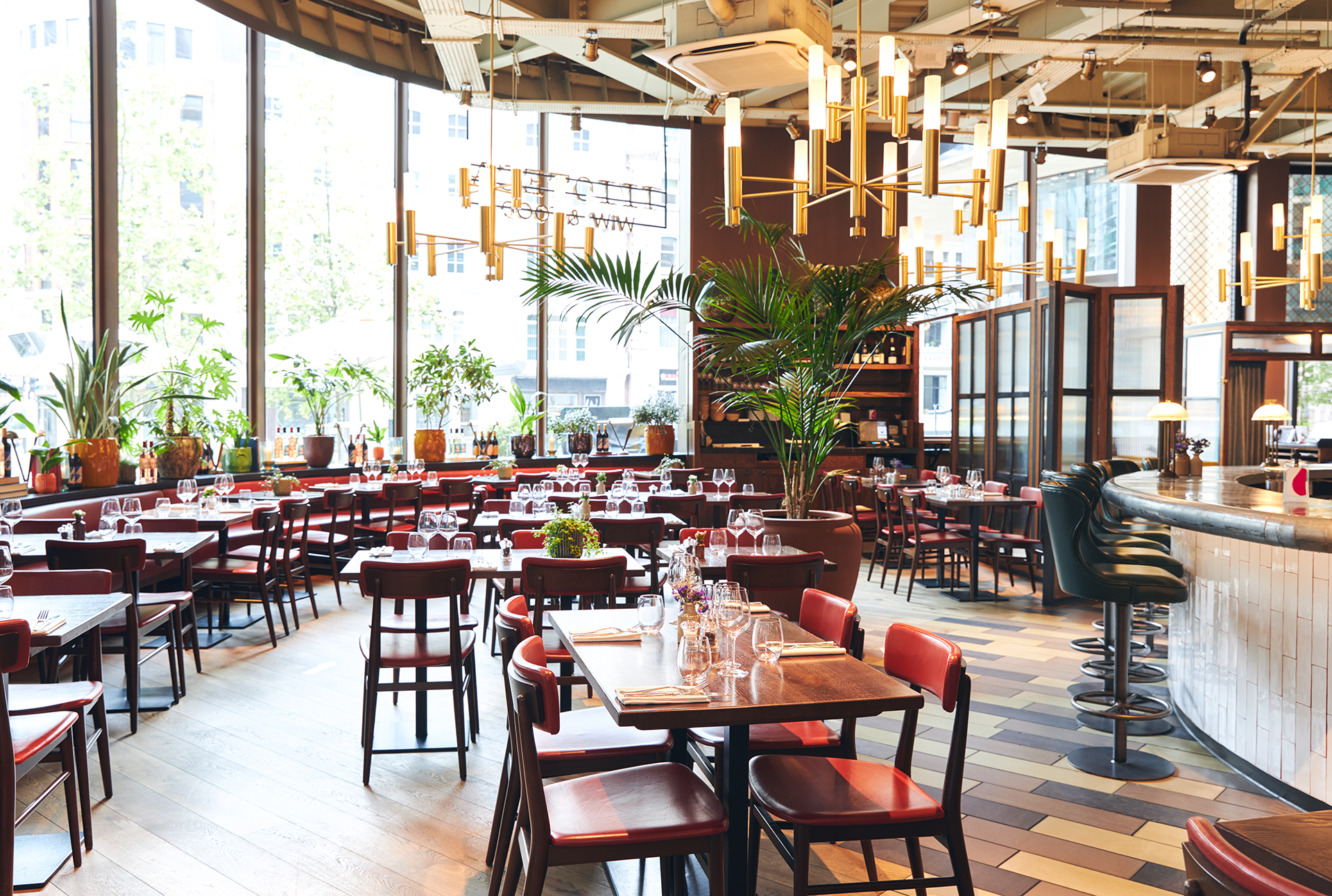
Cuisine Coverage provides specialized insurance for restaurants, cafés, and food service professionals across the country. Whether you run a casual kitchen or a mobile food truck, we offer coverage that fits your operations and risk level.

How It Works
Insurance Made Easy for Food Business Owners
We know you don’t have time to deal with complicated insurance forms. That’s why our process is built for speed and simplicity — so you can get back to running your kitchen.
Your Insurance Questions Answered
What Restaurant and Food Business Owners Ask Most
What types of insurance do restaurants and food businesses need?
Most food businesses need general liability, property, and workers’ compensation coverage. These protect against injuries, equipment damage, and employee-related incidents. Businesses serving alcohol should also include liquor liability insurance for extra protection.
Having the right mix of policies helps reduce financial risks. We’ll help you identify the specific coverages your business needs based on your setup, size, and operations.
Do you provide insurance for food trucks and mobile kitchens?
Yes. We specialize in insurance for food trucks, trailers, and mobile vendors. Our coverage includes vehicle protection, cooking equipment, and liability for events or customer interactions.
We can also help you meet licensing and vendor requirements by issuing certificates of insurance quickly — often the same day.
How fast can I get a quote or start coverage?
In most cases, quotes are ready within 24 hours once we have your business details. After approval, coverage and certificates can be issued immediately.
Our process is fully digital but supported by real agents who review each policy for accuracy. You’ll always know exactly what you’re getting before coverage starts.
Do you offer liquor liability insurance for bars or restaurants?
Yes. We provide liquor liability insurance for bars, taverns, and restaurants that sell or serve alcohol. This coverage protects against claims involving intoxicated patrons or alcohol-related incidents.
It’s essential for maintaining compliance with local laws and protecting your business from costly lawsuits. We’ll ensure your policy meets all licensing requirements.
How can I reduce my insurance costs?
You can often lower premiums by bundling multiple coverages, maintaining clean safety records, and conducting regular policy reviews. Many insurers also offer discounts for installing safety systems and training employees.
At Cuisine Coverage, we proactively review your policy before renewal to help you keep costs down without reducing protection.
Do you help with certificates of insurance (COIs)?
Yes. We provide same-day certificates for vendors, landlords, and event partners. You can request them by phone or email anytime.
Having your COI ready keeps your business compliant and avoids delays in operations. Our team handles these requests quickly so you can stay focused on running your business.
From the Kitchen to Coverage
Real Advice for the Food and Hospitality Industry
We share tips, updates, and real-world stories from the food and insurance industries. Whether you’re managing a restaurant or rolling out a food truck, our articles give you useful guidance to protect your business and grow with confidence.


Contact Us
Phone
Location